
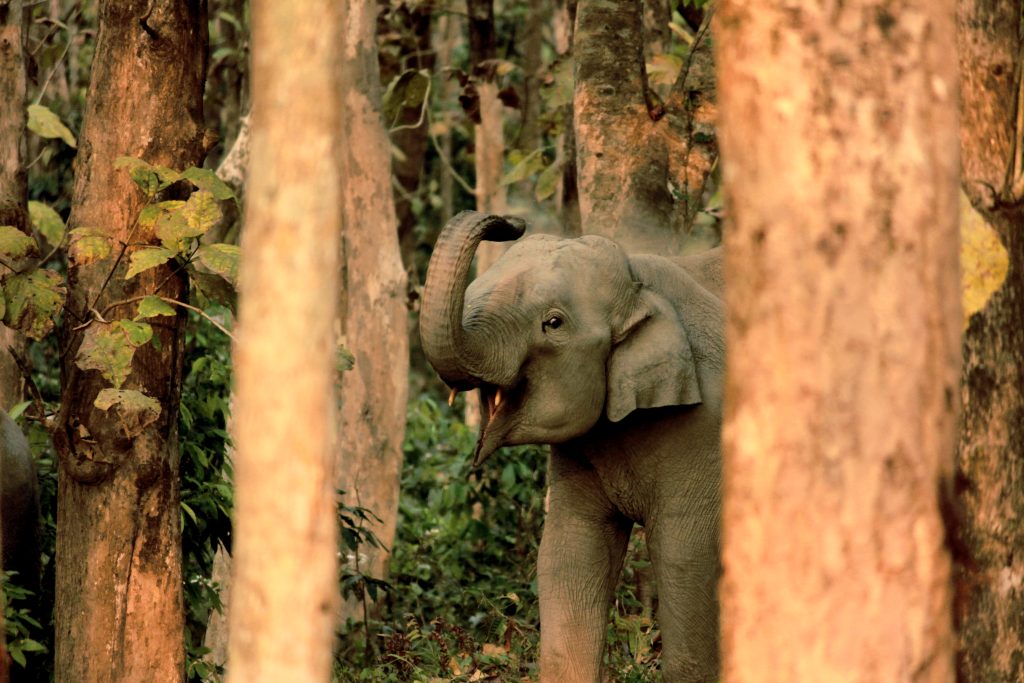
The best time to visit Dooars is October to April, when forest safaris are open and the weather is dry enough for comfortable travel through the region’s national parks and tea estates at the base of the Himalayas.
October through February is the peak season, combining cool, comfortable daytime temperatures with the clearest wildlife-viewing conditions in reserves like Jaldapara and Gorumara National Park, both known for one-horned rhinoceros sightings alongside elephants and a wide range of birdlife.
March and April remain workable, with slightly warmer days but still-open safari access before the pre-monsoon heat builds; this stretch sees fewer visitors than the December-January peak, which can mean better availability at forest lodges booked at short notice.
May through September should be avoided for a wildlife-focused trip — most Dooars forest reserves close for the breeding season during the monsoon months, typically from mid-June to mid-September, and the heavy rain makes both road travel and outdoor sightseeing considerably less pleasant regardless of safari access.
Beyond the forest reserves, Dooars’ tea gardens are worth the same October-to-April window, since cooler weather makes garden walks and factory visits far more comfortable than the humid pre-monsoon months, and the Himalayan foothills are typically at their clearest for photography during this period too.
Multi-day Dooars itineraries built around this season also tend to pair better with a Darjeeling or Kalimpong extension, since the same October-to-April window suits both the hills and the plains — travellers combining the two regions rarely need to compromise on timing for either leg of the trip.
Chandrawanshi Tour & Travels’ Dooars tour packages are timed around this same window, combining forest safaris with tea garden stops — see our Dooars pricing and plan for a full itinerary breakdown.